
Hiring
Choosing a Remodeling Contractor in New Jersey: 10 Questions
8 min read
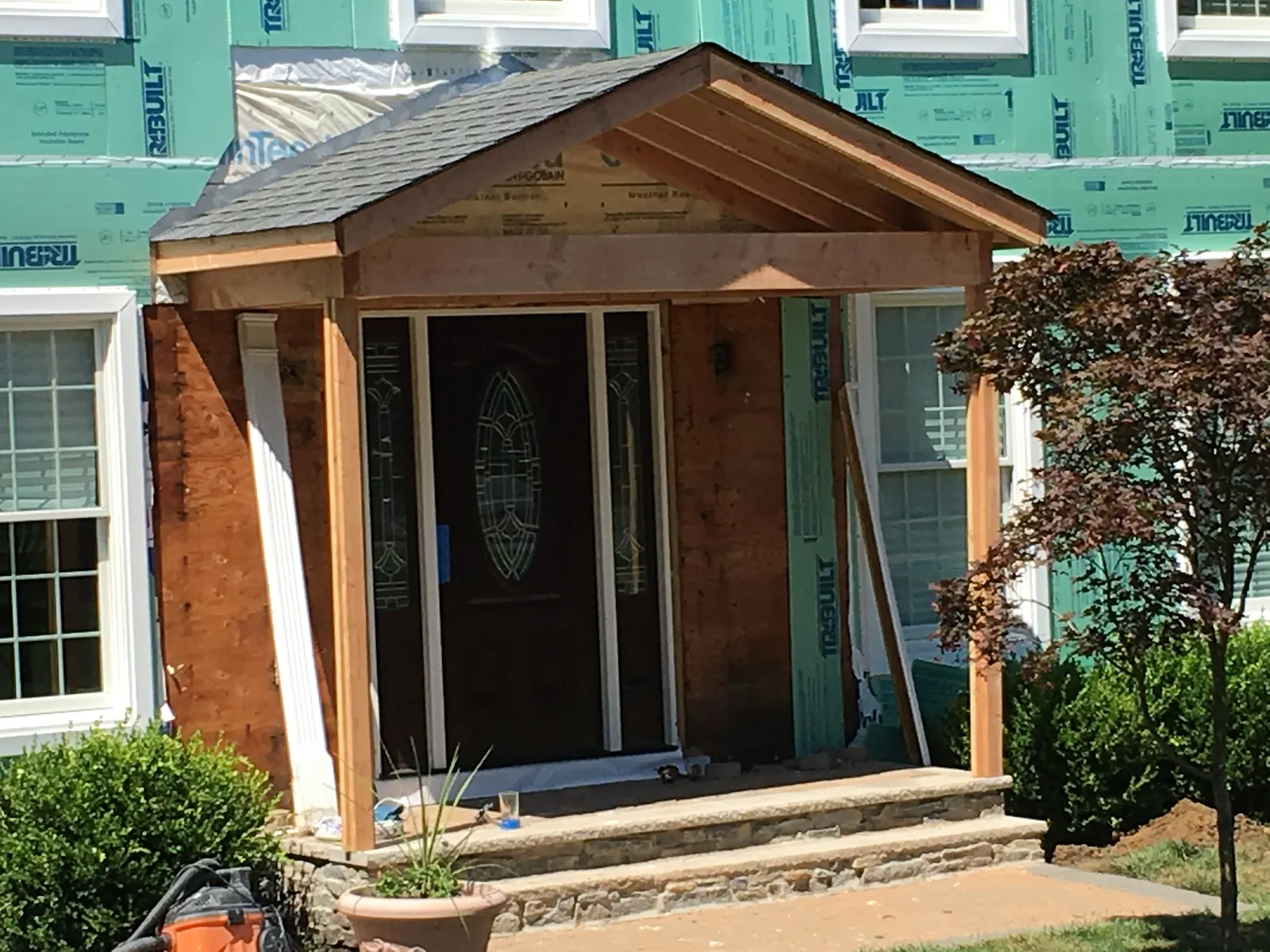
Choosing a remodeling contractor in New Jersey gets a lot easier once you know which questions actually separate people. Most homeowners ask about price first. Price is the last thing that tells you who you are dealing with.
We have been building here for 40 years, and we have been called in to finish plenty of jobs somebody else walked away from. These are the ten questions we would ask if we were the ones hiring, and what a good answer sounds like.
Start with the license and the insurance
Ask for the New Jersey home improvement contractor registration number and proof of insurance, then actually look them up. A legitimate contractor hands both over without hesitating.
Our license number is 13VH12461100, and we are licensed, bonded, and insured in New Jersey. We hold an A plus rating with the Better Business Bureau, and we were voted the number one contractor in our area.
Insurance matters more than people think. If someone gets hurt on your property working for an uninsured outfit, that can land on you. Ask for the certificate, and ask whether it covers everybody who will be on the job.
The ten questions
Ask all ten. The pattern in the answers tells you more than any single answer does.
- 01What is your New Jersey registration number, and can I see your insurance certificate?
- 02Who is physically on my job every day, and will I have their phone number?
- 03Are you pulling the permits, or are you asking me to pull them as the homeowner?
- 04What exactly is in the written scope, and what is specifically excluded?
- 05How are allowances set for materials like tile, counters, and fixtures?
- 06What is the payment schedule, and what is the deposit tied to?
- 07How do change orders get priced and approved once we find something?
- 08Can I see recent work like mine, and can I talk to those homeowners?
- 09Who cleans up daily, and where is the dumpster or debris going?
- 10What happens if something goes wrong after the job is finished?
Why 'who is on site' is the most important question
A contract is with a company. The work is done by whoever shows up. Those are not always the same thing.
Plenty of outfits sell the job with an experienced salesperson and then hand it to subs the owner has never worked with. You find out on day three when nobody can answer a question about the plan.
On our jobs, Ronnie is on site every day overseeing the work, and Tyler works right alongside him. When you ask a question about your house, you are asking the person who is building it.
Read the scope, not the total
A written scope should describe the work in enough detail that a stranger could tell whether it was done. If it is three lines and a number, it is not a scope.
Look for the materials named, the brand or grade of major items, who supplies appliances and fixtures, whether the permit fee is in there, how debris is removed, and what surfaces get protected.
Vague estimates are not always dishonest, but they always leave room for an argument later. A clear one protects both of us.
| Item | Vague version | Clear version |
|---|---|---|
| Cabinets | New cabinets | Named line, door style, box material, finish |
| Counters | Countertops included | Material, edge, and a stated allowance |
| Permits | Not mentioned | Who files, and whether fees are included |
| Demolition | Demo | What comes out, who hauls it, floors protected |
| Payments | 50 percent up front | Tied to stages of completed work |
| Changes | Not mentioned | Priced and signed before the work happens |
Deposits and payment schedules
A deposit is normal. A deposit that covers most of the job before anything happens is not.
Payments should follow the work. Something to start and order materials, then payments tied to real milestones like rough inspection passed or cabinets set, then a final payment after the punch list is done and you are satisfied.
Never pay in cash with no paperwork, and be careful with anyone who needs the money today because of a deal that expires tonight. Good contractors are busy, not desperate.
Red flags we would walk away from
Any one of these is a reason to slow down and ask more questions.
- No license number offered, or the number does not check out.
- No written scope, or a scope that fits on a business card.
- Pressure to decide today, or a price that only holds until the end of the visit.
- Asking you to pull the permit yourself so the job is in your name.
- A price far below everyone else with no explanation of what is different.
- No references you can call, and no recent work you can go look at.
Local matters more than you would think
A contractor who works in your town already knows the permit office, the inspectors, and the housing stock.
Homes here range from older waterfront cottages near the bay to larger properties inland, and they fail in different ways. Knowing what tends to be behind the wall in a house from a certain era saves real time on demolition day.
We work across Monmouth County, in Middletown, Union Beach, Hazlet, Holmdel, Aberdeen, Colts Neck, and Atlantic Highlands. Word of mouth is how a family company survives 40 years, and that only works if we are still welcome in the neighborhood afterward.
Questions we get asked
- How do I check a contractor's license in New Jersey?
- Ask for the registration number, which starts with 13VH, and look it up through the state's consumer affairs listings. Any registered contractor will give you the number without a fuss. Ours is 13VH12461100.
- Should I always take the lowest estimate?
- Not unless it covers the same work. Most low estimates are low because something is excluded, an allowance is set unrealistically, or the crew is unknown. Compare what is written down, then judge the price.
- Who should pull the permit, me or the contractor?
- The contractor. When a homeowner pulls it, the responsibility for the work shifts onto you. We file the applications and handle the inspections through final signoff on every job we do.
- How much should I pay up front?
- Enough to get started and order materials, not most of the job. Tie the rest to completed stages, and hold a final payment until the punch list is done. Put the schedule in the written agreement.
Want us to take a look?
Tell us what you have going on. Ronnie will come out, look at the space, and put a written estimate in your hands at no charge.